Rain or Shine: A Student’s Season-by-Season Guide to Sheffield’s Weather

You hear the wetter side of Sheffield’s weather before you see it. A soft drumming on the window, then the hiss of buses on wet tarmac. It is part of the city’s character, and it is far easier to enjoy when you know what each season has planned for you. It’s not always rainy, though! We’ll explore the four seasons of Sheffield today, and how you can make the most of each of them during your time at university.
So How Wet Is Sheffield, Really?
Wet enough to own a decent coat, not so wet you will never see the sun. The Met Office’s 1991 to 2020 averages put Sheffield at about 832mm of rain a year, falling on roughly 133 days, alongside about 1,485 hours of sunshine and around 28 frosty days, mostly between December and February.
Sheffield also takes its weather seriously. Weston Park weather station has kept records since 1882, and in 2024 it became one of only 11 World Meteorological Organisation centennial observing stations in the UK.
What Will the Weather Be Like When You Arrive?
Mild at first, then wetter. September highs sit near 18C, but by November they are down to about 10C. October brings around 79mm of rain and November about 85mm, while sunshine shrinks from roughly 138 hours in September to 59 in November.
Living centrally helps here. From somewhere like Redvers Tower on Union Street, most of your week happens on foot, and a good waterproof turns a soggy walk to lectures into a minor detail.
Is Winter in Sheffield Freezing?
Not quite, but it is damp and grey. Average highs hover around seven degrees and lows around two through December, January and February, with six or seven frosty nights a month. December is the wettest month at about 87mm, with only around 48 hours of sunshine.
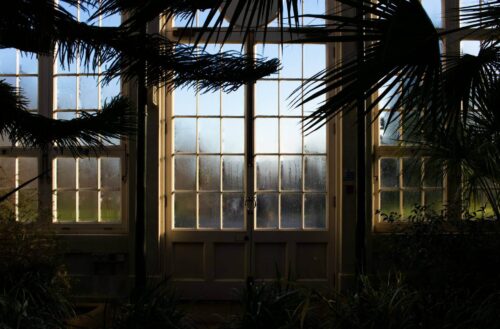
When the grey gets to you, head for the Winter Garden on Surrey Street. It is free, warm and full of more than 2,500 plants from around the world beneath a glass roof 22 metres high.
When Does the City Come Back to Life?
Spring is the turning point. Highs climb from about 10C in March to 16C in May, and May is the year’s sunniest month, with around 198 hours of sunshine and the lowest rainfall, about 55mm. The 19 free acres of Sheffield Botanical Gardens look their best right now.
Does Sheffield Ever Get Hot?
More than you might think. July highs average about 21C, but Weston Park hit 38.9C on 19 July 2022, its hottest day on record, and 31.8C on 25 May 2026, its hottest May day ever. With exams landing in late spring and early summer, a cool revision spot is worth finding early.
Insider Tips
- Follow @WPWeather on X for daily readings from the Weston Park station, a short walk from the University of Sheffield.
- The Winter Garden is open until 8 pm Monday to Saturday, perfect for a dry evening stroll, though it occasionally shuts from 6 pm for private events. A quick call to 0114 273 6895 saves a wasted trip.
- The Botanical Gardens’ Grade II listed Glass Pavilions close at 3:30 pm, well before the gardens themselves, so go early if the glasshouses are the draw.
- Weston Park Museum on Western Bank is free and great for a rainy afternoon, but skip Mondays: it is closed.
Sheffield in the rain has its own charm, and a good home base makes every season easier. When you are ready to make the city home, explore our range of Sheffield student accommodation.
